
Tiny, park model, and modular homes have quickly changed from niche architectural styles to practical, mainstream housing options and a movement toward tiny living. This is especially evident in the Pacific Northwest, where affordability, sustainability, and lifestyle flexibility matter most to homeowners.
At West Coast Homes, we have seen how these compact and efficient homes can change lives. However, as interest in tiny home living grows, misconceptions about quality, space, and long-term value often hold buyers back. Let’s explore the truth behind common tiny living myths and examine how our building practices deliver high-quality, comfortable spaces that allow you to live tiny without sacrifice.
Tiny Living Myth 1: Tiny and Modular Homes Are “Temporary” or Flimsy
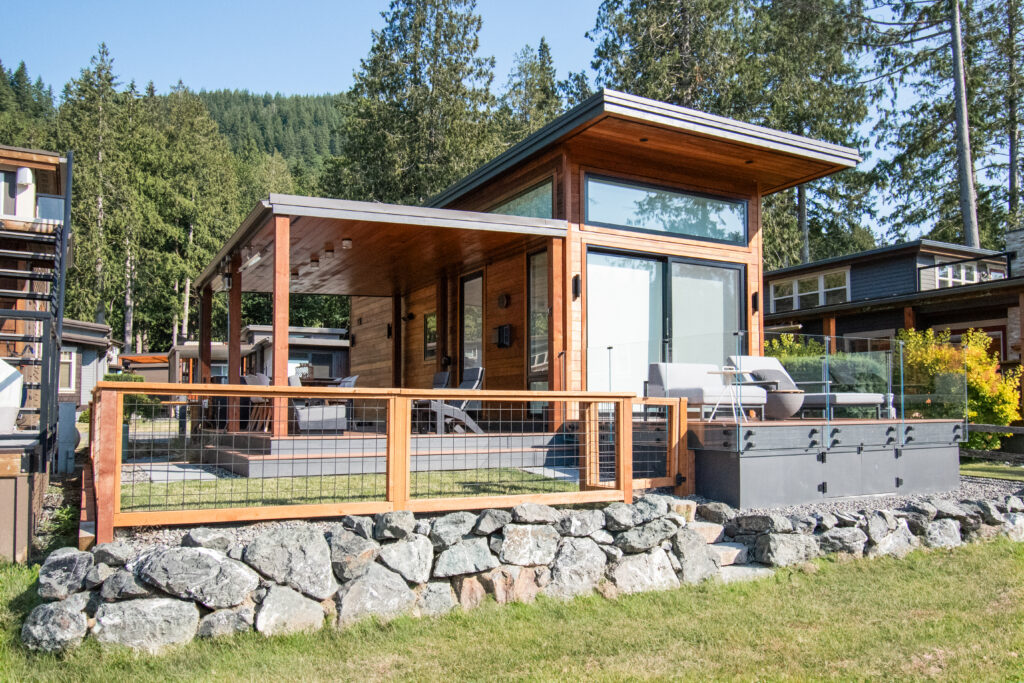
Tiny Home Fact: Professionally built modular and tiny homes are made for durability and longevity, serving as long-term housing rather than temporary solutions.
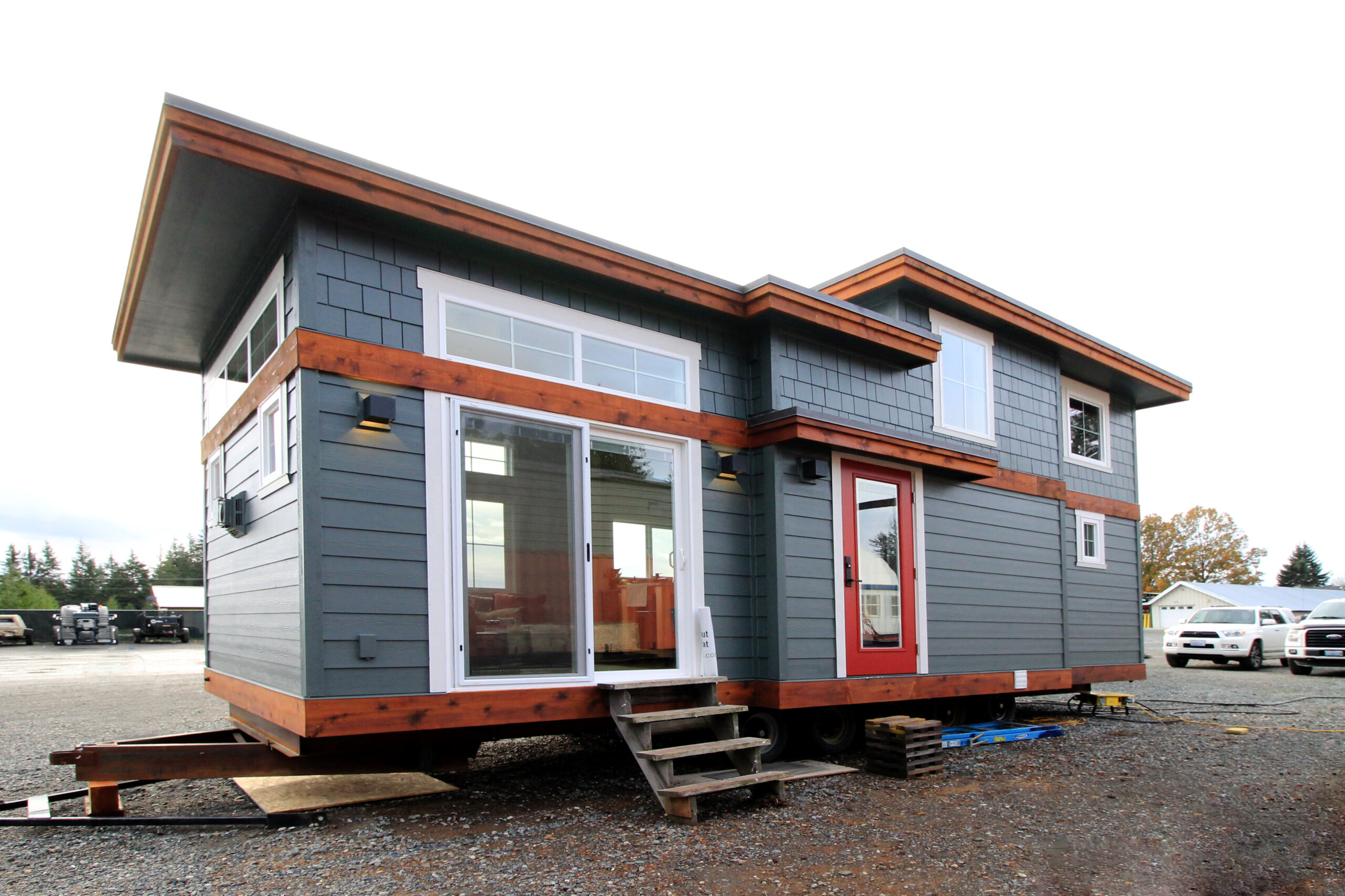
The West Coast Homes Difference: Many people think that homes built for tiny home living are constructed with low-quality materials, but our modular homes meet the same strict building codes as traditional on-site homes. We construct our homes in a climate-controlled facility in Whatcom County. Building indoors means your home’s framing and materials are never exposed to the Pacific Northwest rain and moisture during construction. This controlled environment ensures precision craftsmanship, consistent quality inspections, and a stronger, more durable home.
Tiny Living Myth 2: Downsizing Means Giving Up Comfort and Space
Tiny Home Fact: Smaller square footage doesn’t mean living in a tight box; tiny home living means living intentionally with smart, space-saving design.
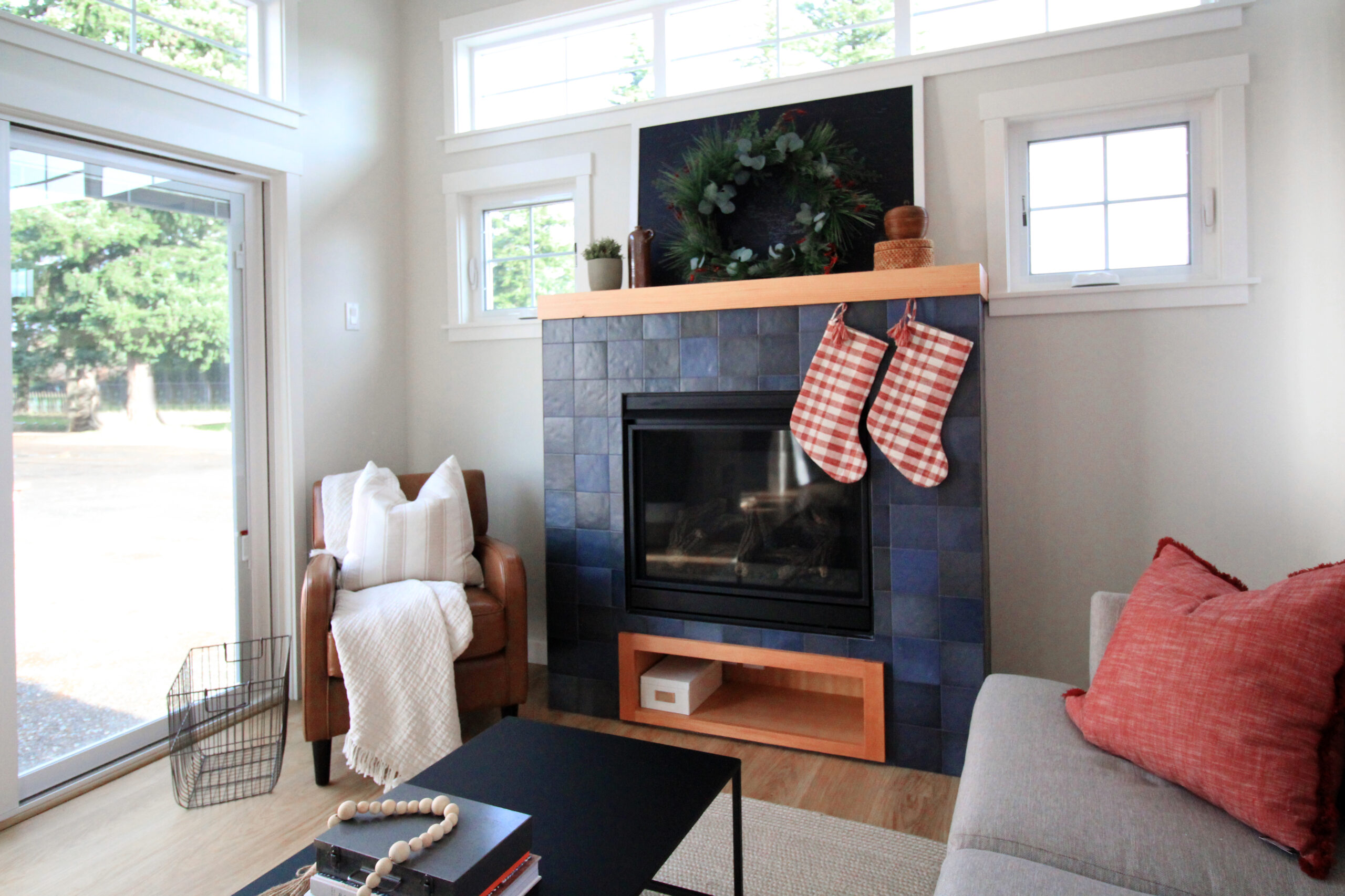
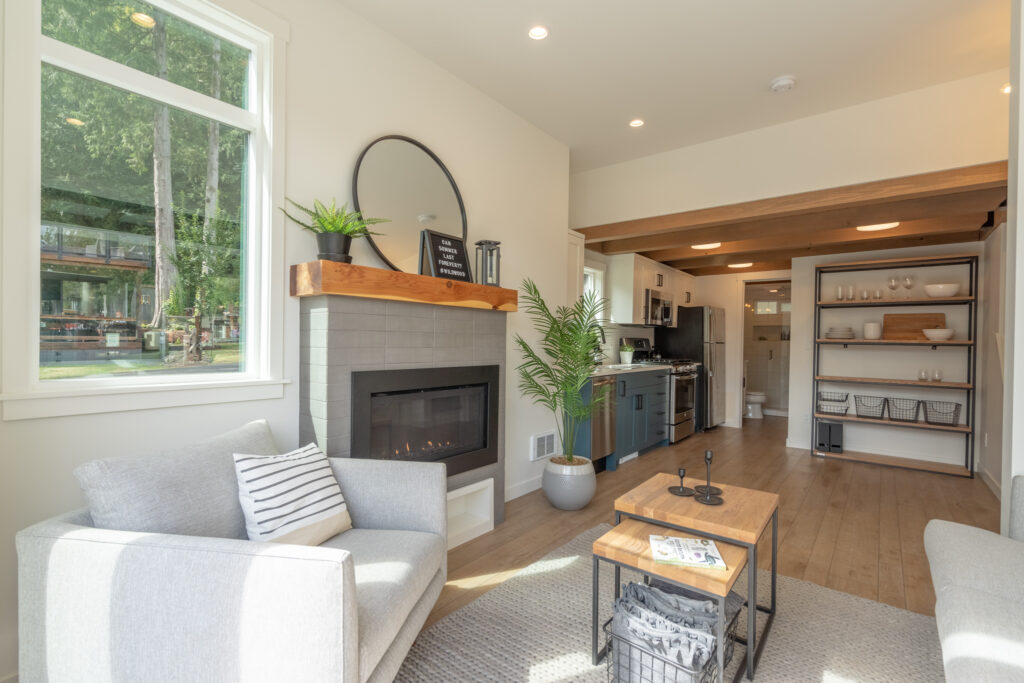
The West Coast Homes Difference: Thoughtful design is central to our work. When we design our park model and tiny homes, we focus on features that maximize both visual and physical space. By using vaulted ceilings, large windows that let in natural light, lofted sleeping areas, and custom built-in cabinets, we improve livability while reducing clutter. For our clients, tiny living often leads to a simpler, more purposeful lifestyle without sacrificing the cozy comforts of home.
Tiny Living Myth 3: Financing and Insurance Are Impossible to Navigate
Tiny Home Fact: While financing a tiny home used to be a challenge, options have expanded greatly as demand for tiny home living has increased.
The West Coast Homes Difference: Financing and insurance depend heavily on the type of home you choose, so we offer various classifications of tiny home living. Modular homes on permanent foundations often qualify for traditional mortgages. For our park model RVs, specialized lending options, such as RV or personal loans, are widely available. Since our homes are built to strict codes, securing insurance is as straightforward and manageable a process for tiny home living as it can be for traditional homes.
Tiny Living Myth 4: They Lack Customization and Won’t Appreciate in Value
Tiny Home Fact: Modern factory-built homes provide great design flexibility and appreciate like traditional real estate when placed on a permanent foundation. Tiny home living does not mean sacrificing the custom elements you want or the home value you are counting on.
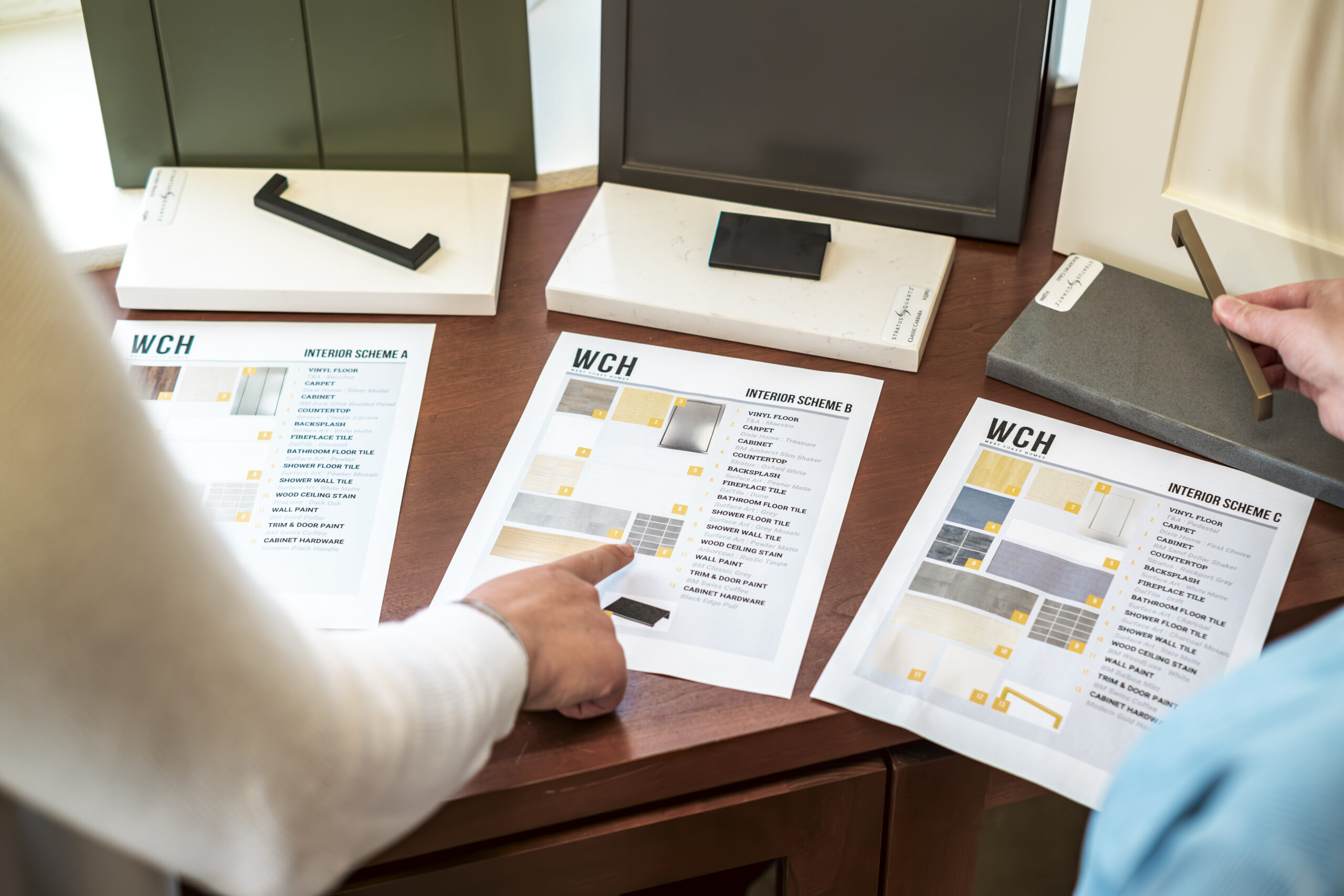
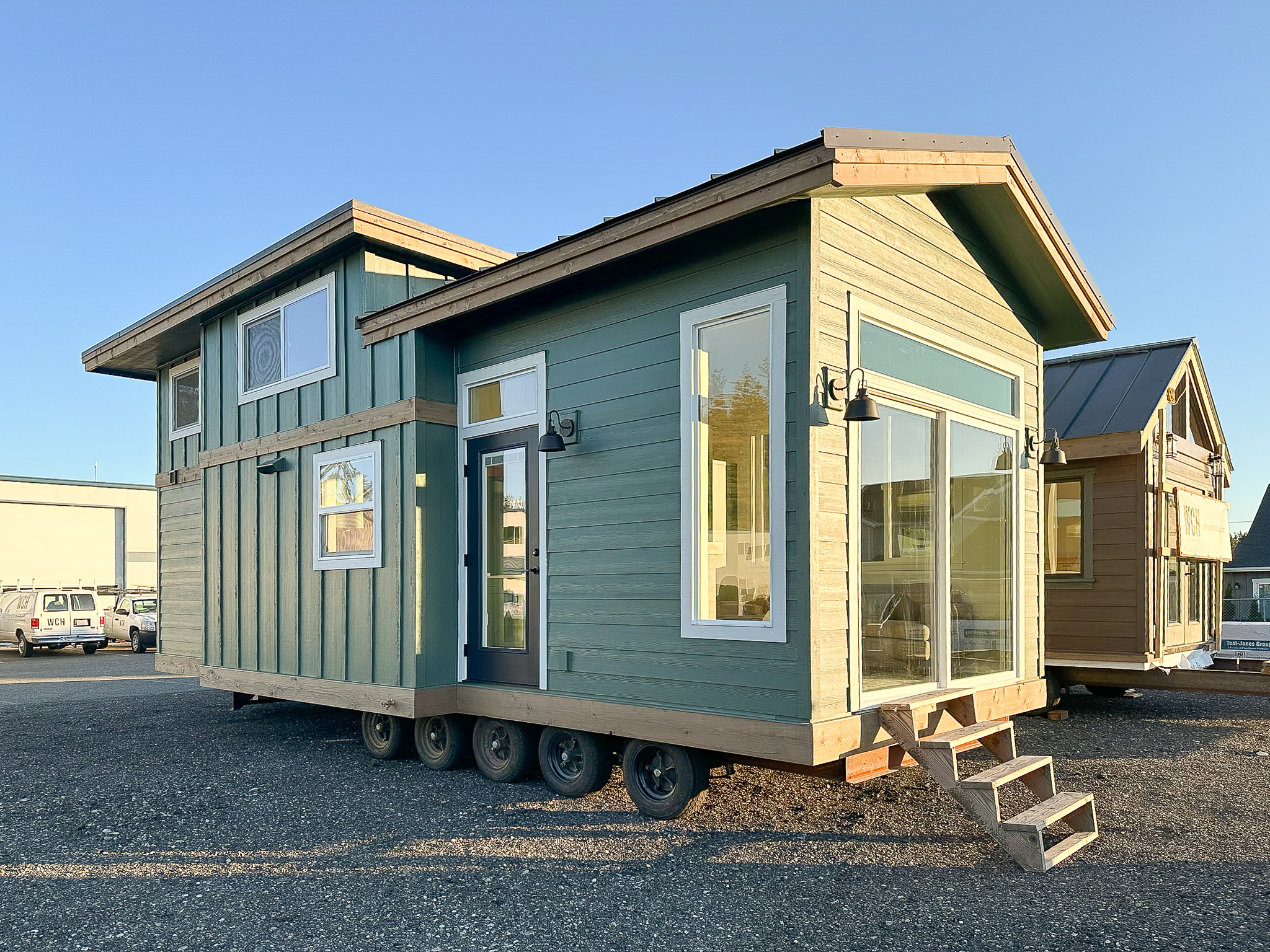
The West Coast Homes Difference: A common misconception is that going modular and living tiny means selecting from a standard assembly line. We focus on custom builds. Our clients can personalize floor plans, choose premium exterior siding (ideal for a cabin near Mount Baker or a getaway in the San Juans), and select luxury interior finishes. When a modular home is on owned land, it appreciates based on the same factors as site-built homes: location, quality, and market demand. Tiny home living can be a great, cost-effective way to include the custom features that would make your house a dream home, just on a slightly smaller scale.
The Bonus Reality: Tiny Home Living Means Superior Energy Efficiency
One area where tiny, park model, and modular homes clearly outperform older traditional homes is energy efficiency. A smaller footprint is a more efficient one, and tiny home living requires fewer resources overall.
Since we build in a controlled environment, we create incredibly tight building envelopes. Coupled with smaller sizes, superior insulation, and efficient climate control systems, like mini-split heat pumps, our homes have significantly lower utility costs. Whether you’re aiming for a smaller environmental footprint or just want to save on winter heating bills in Washington, tiny home living is ideal for those who are eco-friendly and budget-conscious.
Ready to Build Your Dream Home and Live Tiny?
Tiny and modular homes provide smart, forward-thinking solutions for modern lifestyles. They offer faster build times, predictable costs, and design flexibility. By separating tiny home facts from myth, it’s clear that tiny home living offers practical, luxurious, and affordable alternatives to traditional housing.